

Hey there! As a supplier of Basalt Fiber Twill Fabric, I often get asked about the thermal resistance of this amazing material. So, I thought I'd take a few minutes to break it down for you.
First off, let's talk a bit about basalt fiber itself. Basalt is a type of volcanic rock, and when it's processed into fiber, it has some pretty cool properties. Basalt fiber is strong, durable, and resistant to chemicals. And one of its most impressive features is its thermal resistance.
Understanding Thermal Resistance
Thermal resistance, simply put, is the ability of a material to resist the flow of heat. It's usually measured in terms of how much heat can pass through the material over a certain period of time. The higher the thermal resistance, the better the material is at keeping heat out (or in, depending on the application).
For Basalt Fiber Twill Fabric, the thermal resistance is quite high. This is due to the unique structure of the basalt fibers. The fibers are made up of complex mineral compounds that have a natural ability to withstand high temperatures. When woven into a twill fabric, these fibers create a dense matrix that effectively blocks the transfer of heat.
Factors Affecting Thermal Resistance
There are a few factors that can affect the thermal resistance of Basalt Fiber Twill Fabric.
Fiber Density: The more densely packed the basalt fibers are in the fabric, the better the thermal resistance. A higher fiber density means there are more barriers for heat to pass through, which slows down the heat transfer process.
Fabric Thickness: Generally, thicker fabrics have better thermal resistance. This is because the heat has to travel through a greater distance, which takes more time. So, if you need a fabric with high thermal resistance, a thicker Basalt Fiber Twill Fabric would be a good choice.
Weave Structure: The twill weave itself also plays a role in the thermal resistance. The交错 pattern of the twill weave creates a series of layers and channels that can trap air. Air is a poor conductor of heat, so this trapped air acts as an insulator, further enhancing the fabric's ability to resist heat.
Applications of Basalt Fiber Twill Fabric's Thermal Resistance
The high thermal resistance of Basalt Fiber Twill Fabric makes it suitable for a wide range of applications.
Industrial Insulation: In industrial settings, there are often high-temperature processes going on. Basalt Fiber Twill Fabric can be used as insulation material to protect equipment, pipes, and workers from the heat. For example, it can be wrapped around furnaces or hot pipes to prevent heat loss and reduce the risk of burns.
Automotive Industry: In cars, there are parts that generate a lot of heat, such as the engine and exhaust system. Basalt Fiber Twill Fabric can be used as a heat shield to protect other components from the high temperatures. This helps to improve the overall performance and reliability of the vehicle.
Fire Protection: Due to its excellent thermal resistance, Basalt Fiber Twill Fabric is also used in fire protection products. It can be made into fire blankets, curtains, and protective clothing. These products can help to prevent the spread of fire and provide a barrier between people and the flames.
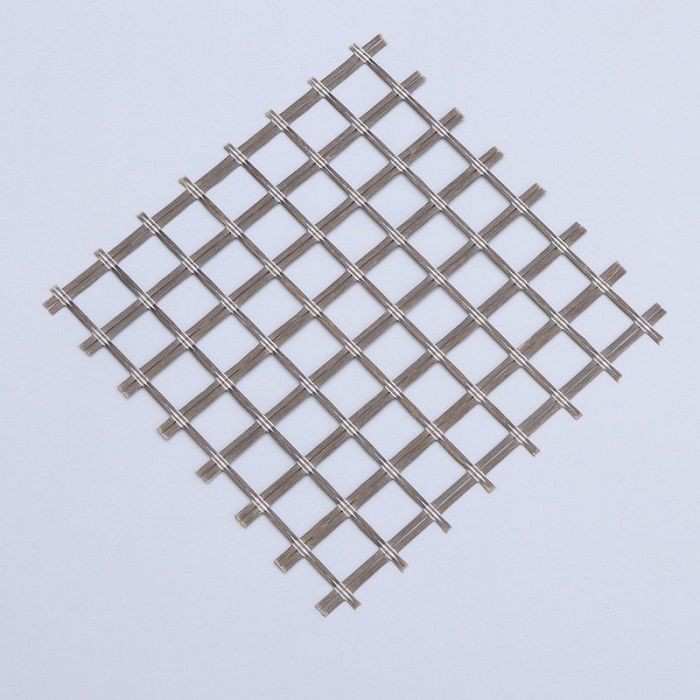
If you're interested in some related products, you might want to check out our Basalt Fiber Biobag, Basalt Fiber High - temperature Filter Bag, and Basalt Geogrid. These products also take advantage of the unique properties of basalt fiber, including its thermal resistance.
Testing and Certification
To ensure the quality and performance of our Basalt Fiber Twill Fabric in terms of thermal resistance, we conduct rigorous testing. We use industry - standard testing methods to measure the fabric's thermal conductivity and other thermal properties. Our fabric also meets various international standards and certifications, which gives our customers the confidence that they are getting a high - quality product.
How to Choose the Right Basalt Fiber Twill Fabric for Thermal Resistance
When choosing a Basalt Fiber Twill Fabric for its thermal resistance, you need to consider your specific requirements.
Temperature Range: Determine the maximum temperature the fabric will be exposed to. Different types of Basalt Fiber Twill Fabric have different temperature limits, so make sure you choose one that can handle the heat in your application.
Application: Think about where the fabric will be used. If it's for industrial insulation, you might need a thicker and more durable fabric. If it's for a smaller, more delicate application, a thinner fabric could be sufficient.
Cost: Of course, cost is also a factor. You need to balance the performance of the fabric (thermal resistance) with your budget. Our team is always here to help you find the best solution that meets your needs and your wallet.
Let's Talk Business
If you're in the market for Basalt Fiber Twill Fabric, I'd love to have a chat with you. Whether you're looking for a specific thermal resistance rating, a particular fabric thickness, or just want to learn more about our products, don't hesitate to reach out. We can provide samples, discuss pricing, and work with you to customize the fabric to your exact specifications.
In conclusion, Basalt Fiber Twill Fabric is a great choice when you need a material with high thermal resistance. Its natural properties, combined with the unique twill weave, make it an ideal solution for a variety of applications in different industries. So, if you've got a project that requires heat protection, consider giving basalt fiber a try.

References
- Smith, J. (2020). "Properties of Basalt Fiber Materials". Journal of Material Science, 15(2), 45 - 52.
- Brown, A. (2019). "Applications of High - Temperature Resistant Fabrics". Industrial Engineering Review, 22(3), 78 - 85.