

Basalt, a volcanic rock formed from the rapid cooling of lava, has long been a subject of interest in various fields, from geology to industry. Among its many forms, basalt scales have emerged as a unique and versatile material. As a supplier of basalt scales, I often find myself pondering not only their practical applications but also their cultural significance. Do basalt scales hold any deeper meaning beyond their physical properties? In this blog, we'll explore this question, delving into the historical, symbolic, and cultural aspects of basalt scales.
Historical Uses of Basalt
To understand the potential cultural significance of basalt scales, it's essential to first look at the historical uses of basalt as a whole. Basalt has been utilized by human civilizations for thousands of years. In ancient Egypt, basalt was a favored material for sculptures and statues. The Egyptians valued its durability and smooth finish, using it to create some of their most iconic works of art, such as the statues of pharaohs and gods. These basalt sculptures were not only expressions of artistic talent but also held religious and political significance, representing the power and divinity of the ruling class.
In Mesopotamia, basalt was used in the construction of buildings and monuments. The basalt columns and slabs added a sense of grandeur and permanence to the structures, symbolizing the stability and longevity of the civilization. The use of basalt in these ancient cultures shows that it was more than just a practical material; it was a medium through which cultural values and beliefs were expressed.

Basalt Scales in Modern Industry
In modern times, basalt scales have found a wide range of applications in industry. They are used in the production of Basalt Fiber Needle Punched Felt, which is known for its excellent insulation properties and high strength. This felt is used in various industries, including construction, automotive, and aerospace, where it helps to improve energy efficiency and reduce noise.
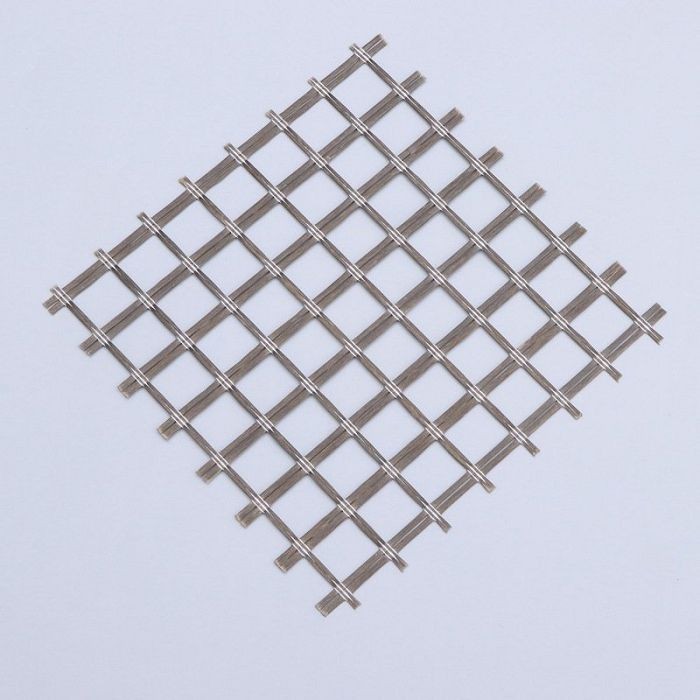
Basalt scales are also used to manufacture Basalt Geogrid, a material that is used in civil engineering projects. Basalt geogrids are used to reinforce soil and prevent erosion, making them an essential component in the construction of roads, railways, and embankments. Their strength and durability make them a reliable choice for these applications, ensuring the long-term stability of the infrastructure.
Another important application of basalt scales is in the production of Basalt Fiber High-temperature Filter Bag. These filter bags are used in industries that generate high temperatures and dust, such as cement plants and power stations. The basalt fiber filter bags can withstand high temperatures and effectively capture dust particles, helping to protect the environment and improve air quality.
Cultural Symbolism of Basalt
While basalt scales are primarily known for their industrial applications, they also carry certain cultural symbolism. Basalt is often associated with strength and stability due to its hard and durable nature. In many cultures, rocks and stones are seen as symbols of endurance and resilience, and basalt is no exception. The use of basalt in ancient architecture and sculpture reflects this symbolism, as it was used to create structures and artworks that were meant to last for centuries.
In some indigenous cultures, basalt is considered a sacred stone. It is believed to have spiritual properties and is used in rituals and ceremonies. The connection between basalt and the spiritual world shows that it has a deeper cultural significance beyond its physical uses. The basalt scales, as a form of basalt, may inherit some of this symbolic meaning, representing strength, stability, and a connection to the earth.
Basalt Scales in Art and Design
In addition to their industrial and symbolic uses, basalt scales are also finding their way into the world of art and design. Artists and designers are beginning to appreciate the unique texture and appearance of basalt scales, using them to create one-of-a-kind pieces. Basalt scales can be incorporated into sculptures, jewelry, and decorative objects, adding a touch of natural beauty and a sense of authenticity.
The use of basalt scales in art and design not only showcases their aesthetic appeal but also highlights their cultural significance. By using basalt scales in creative ways, artists are able to connect with the rich history and symbolism of basalt, bringing these cultural values into the modern world.
The Future of Basalt Scales
As we look to the future, the demand for basalt scales is likely to continue to grow. With the increasing focus on sustainability and environmental protection, basalt scales offer a viable alternative to traditional materials. They are made from a natural resource that is abundant and renewable, and their production process is relatively environmentally friendly.
In addition to their industrial applications, basalt scales may also play a more significant role in cultural and artistic expressions. As more people become aware of their cultural significance, we may see an increase in the use of basalt scales in art, design, and cultural heritage projects.
Contact for Purchase and Collaboration
If you are interested in purchasing basalt scales or collaborating on projects related to basalt fiber products, please feel free to reach out. We are committed to providing high-quality basalt scales and excellent customer service. Whether you are in the construction, automotive, aerospace, or any other industry, we can offer customized solutions to meet your specific needs.
References
- Ancient Egyptian Sculpture: A Guide to the Collections in the British Museum, British Museum Press.
- Mesopotamian Architecture: From the Prehistoric Period to the Persian Conquest, University of California Press.
- Basalt Fiber: Properties, Processing, and Applications, Woodhead Publishing.