

Desertification is one of the most pressing environmental issues of our time, affecting vast areas of the world and threatening the livelihoods of millions of people. As a supplier of Basalt Geogrid, I've been closely following the potential of this product in desertification control projects. In this blog, I'll explore whether Basalt Geogrid can be effectively used in such initiatives, drawing on scientific research and practical considerations.
Understanding Desertification and Its Challenges
Desertification is the process by which fertile land becomes desert, typically as a result of drought, deforestation, or inappropriate agriculture. This phenomenon leads to soil degradation, loss of vegetation, and a significant reduction in biodiversity. The challenges in desertification control are multifaceted, including stabilizing sand dunes, preventing soil erosion, and promoting vegetation growth in harsh arid conditions.
What is Basalt Geogrid?
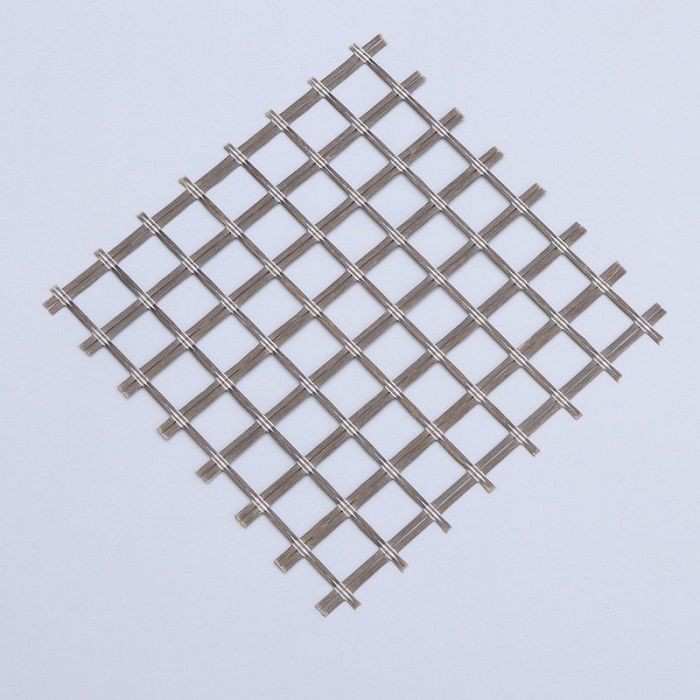
Basalt Geogrid is a high - strength geosynthetic material made from basalt fiber. Basalt fiber is derived from volcanic rock and has several unique properties that make it an attractive option for various engineering applications. It has high tensile strength, excellent chemical resistance, and good thermal stability. You can find more information about Basalt Geogrid on our website Basalt Geogrid.
Potential Applications of Basalt Geogrid in Desertification Control
Sand Dune Stabilization
One of the primary goals in desertification control is to stabilize sand dunes. Moving sand dunes can bury infrastructure, farmland, and settlements. Basalt Geogrid can be installed on the surface of sand dunes to provide a physical barrier that resists the movement of sand. Its high tensile strength allows it to withstand the forces exerted by wind - blown sand. When laid on the sand, the geogrid creates a stable base that can prevent the sand from shifting.
In addition, the geogrid can act as a matrix for the growth of vegetation. By providing a stable surface, it allows seeds to be planted more effectively. The geogrid helps to retain moisture in the soil, which is crucial for the germination and growth of plants in arid environments.
Soil Erosion Prevention
Soil erosion is a major problem in desert areas. Wind and water can carry away the topsoil, which is rich in nutrients. Basalt Geogrid can be used to reinforce the soil and prevent erosion. When installed in the soil, it distributes the forces acting on the soil, reducing the likelihood of soil particles being dislodged.
The geogrid's open - mesh structure allows water to infiltrate the soil while still providing support. This helps to maintain the integrity of the soil structure and prevent the loss of valuable topsoil. Moreover, the chemical resistance of basalt fiber ensures that the geogrid will not degrade quickly in the harsh desert environment, providing long - term protection against soil erosion.

Vegetation Support
As mentioned earlier, Basalt Geogrid can support the growth of vegetation. In desertification control projects, promoting the growth of native plants is essential for restoring the ecosystem. The geogrid can be used as a support structure for the roots of plants. It provides a stable environment for the roots to anchor, which is especially important in sandy soils.
The open spaces in the geogrid allow the roots to penetrate easily, and the geogrid can also help to retain water and nutrients around the roots. This increases the chances of plant survival and growth in the arid desert conditions.
Advantages of Using Basalt Geogrid in Desertification Control
Environmental Friendliness
Basalt fiber is a natural material, and its production has a relatively low environmental impact compared to some synthetic materials. It is non - toxic and does not release harmful substances into the environment. When used in desertification control projects, it can contribute to the restoration of the ecosystem without causing additional pollution.
Cost - Effectiveness
In the long run, Basalt Geogrid can be a cost - effective solution for desertification control. Its durability means that it does not need to be replaced frequently. Compared to some traditional methods of sand dune stabilization and soil erosion prevention, such as using concrete or steel structures, Basalt Geogrid is more affordable and easier to install.
Adaptability
Basalt Geogrid can be customized to meet the specific requirements of different desertification control projects. It can be produced in various sizes and strengths, depending on the nature of the sand dunes, soil conditions, and the type of vegetation to be supported. This adaptability makes it a versatile option for a wide range of desert environments.
Challenges and Limitations
Installation Difficulties
Installing Basalt Geogrid in desert areas can be challenging. The harsh environmental conditions, such as high temperatures, strong winds, and limited water resources, can make the installation process more difficult. Specialized equipment and trained personnel may be required to ensure proper installation.
Long - Term Performance in Extreme Conditions
Although Basalt Geogrid has good chemical and thermal stability, the long - term performance of the geogrid in extreme desert conditions still needs further research. For example, the effects of long - term exposure to intense sunlight, high - temperature fluctuations, and abrasive sand particles on the geogrid's mechanical properties need to be better understood.
Complementary Products in Desertification Control
In addition to Basalt Geogrid, we also offer other basalt - based products that can be used in conjunction with it in desertification control projects. Basalt Scales can be used as a protective layer on the surface of the geogrid or in the soil to enhance its resistance to erosion. They can also provide additional support for vegetation growth.
Our Basalt Fiber High - temperature Filter Bag may not have a direct application in desertification control but showcases the versatility of basalt fiber in different engineering fields.
Conclusion
In conclusion, Basalt Geogrid has significant potential for use in desertification control projects. Its properties, such as high tensile strength, chemical resistance, and environmental friendliness, make it a promising material for sand dune stabilization, soil erosion prevention, and vegetation support. However, there are also challenges and limitations that need to be addressed, such as installation difficulties and long - term performance in extreme conditions.
As a supplier of Basalt Geogrid, we are committed to further research and development to improve the performance of our products in desert environments. We believe that with proper design and installation, Basalt Geogrid can play an important role in the fight against desertification.
If you are interested in using Basalt Geogrid or our other basalt - based products in your desertification control projects, we invite you to contact us for procurement and further discussions. We have a team of experts who can provide you with technical support and customized solutions.
References
- Smith, J. (2018). Geosynthetics in Environmental Engineering. Elsevier.
- Johnson, A. (2020). The Role of Vegetation in Desertification Control. Journal of Arid Environments, 175, 104 - 112.
- Brown, C. (2019). Basalt Fiber: Properties and Applications. Journal of Composite Materials, 53(12), 1677 - 1690.