
In the dynamic realm of textile manufacturing, fiber mixed woven fabrics stand out as versatile and innovative materials, catering to a broad spectrum of industries from fashion to construction. As a leading supplier of Fiber Mixed Woven Fabric, I am excited to explore the various types of fibers commonly used in these fabrics, sharing insights into their unique properties, applications, and the advantages they bring to the final product.
Cotton Fiber
Cotton is perhaps the most well - known and widely used natural fiber in the production of fiber mixed woven fabrics. Renowned for its softness, breathability, and comfort, cotton has been a staple in the textile industry for centuries. The fibers are composed of cellulose, making them hypoallergenic and suitable for all skin types.
One of the key advantages of using cotton in mixed woven fabrics is its absorbency. Cotton can absorb up to 27 times its own weight in water, which makes the fabric excellent for moisture - wicking. This is particularly beneficial in sportswear, where the ability to keep the body dry and cool is crucial.

Cotton also has good durability. Although not as strong as some synthetic fibers, it can withstand regular wear and tear and multiple washings without significant loss of quality. When blended with other fibers, such as polyester or elastane, it can create fabrics with enhanced strength and elasticity. In home textiles, like bedsheets and curtains, cotton - blended fabrics offer a soft and cozy touch, while maintaining a certain level of resilience.
Polyester Fiber
Polyester is a synthetic fiber that has gained immense popularity in the production of fiber mixed woven fabrics. It is made from polymers derived from petroleum, and it offers a variety of benefits that make it an ideal choice for blending.
The most significant advantage of polyester is its strength and durability. Polyester fibers are resistant to stretching, shrinking, and wrinkling, which means that fabrics containing polyester retain their shape and appearance over time. This is especially useful in workwear and outdoor clothing, where the fabric needs to withstand harsh conditions and frequent movement.
Polyester is also quick - drying and has low moisture absorption. This property makes it suitable for applications where a dry environment is required, such as in swimwear and active sportswear. When blended with cotton, it can reduce the drying time of the fabric and improve its wrinkle - resistance, creating a more practical and easy - to - care - for material.
Wool Fiber
Wool is a natural fiber obtained from the fleece of sheep and other animals such as goats (cashmere and mohair), alpacas, and llamas. It is a highly versatile fiber that brings unique properties to fiber mixed woven fabrics.
One of the most remarkable features of wool is its insulation properties. Wool fibers have a natural crimp that creates air pockets, which trap heat and keep the body warm in cold weather. At the same time, wool can also regulate body temperature in warm conditions by allowing moisture to evaporate. This makes wool - blended fabrics suitable for year - round use, especially in outerwear.
Wool is also flame - resistant to a certain extent. It has a high ignition temperature and self - extinguishes when the source of fire is removed. This property makes it a preferred choice for applications where fire safety is a concern, such as in upholstery and children's clothing.
In addition, wool has a luxurious feel and a natural luster, which can enhance the aesthetic appeal of the fabric. When blended with other fibers like silk or cotton, it can create fabrics with a unique combination of softness, warmth, and elegance.
Silk Fiber
Silk is a natural protein fiber produced by silkworms. It is known for its luxurious appearance, smooth texture, and high strength - to - weight ratio. Silk has been highly prized throughout history for its beauty and comfort, and it continues to be a popular choice in the production of fiber mixed woven fabrics.
The smooth and soft surface of silk gives it a unique sheen and a gentle drape. Fabrics containing silk are often used in high - end fashion, lingerie, and evening wear, where the aesthetic appeal is of utmost importance. Silk is also hypoallergenic and has natural antibacterial properties, making it suitable for sensitive skin.
When blended with other fibers, silk can add a touch of luxury to the fabric while improving other aspects such as strength and durability. For example, silk - polyester blends can combine the elegance of silk with the wrinkle - resistance and durability of polyester, creating a fabric that is both beautiful and practical.
Basalt Fiber
Basalt fiber is a relatively new addition to the world of fiber mixed woven fabrics. It is made from basalt rock, a common volcanic rock. Basalt fiber offers several unique properties that make it an attractive option for various applications.
Basalt fiber has high strength and stiffness. It has a tensile strength comparable to that of carbon fiber, but at a lower cost. This makes it suitable for use in structural applications, such as in the construction industry for reinforcement of concrete and composites.
It also has excellent heat resistance and chemical resistance. Basalt fiber can withstand high temperatures without significant degradation, and it is resistant to many chemicals, including acids and alkalis. This property makes it useful in industrial applications, such as in the production of chemical - resistant fabrics and heat - insulation materials.
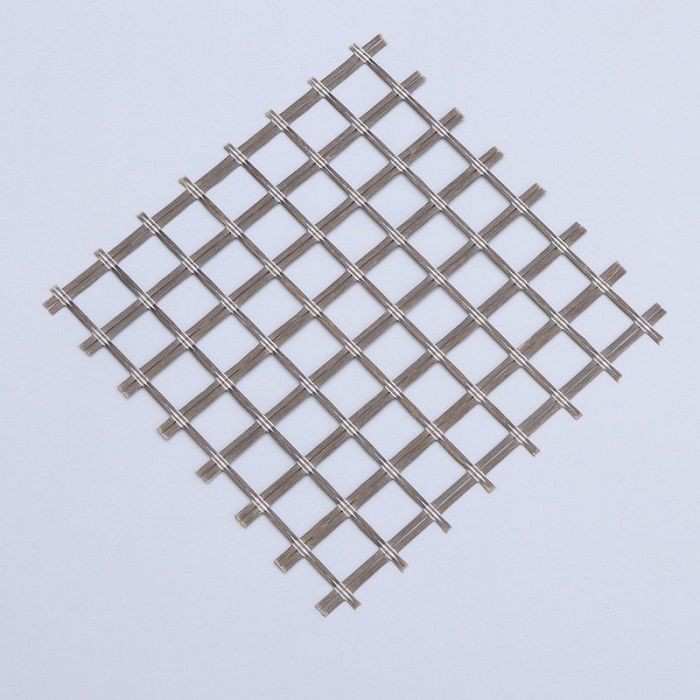
As a supplier, we offer several basalt - based products, including Basalt Geogrid, Basalt Fiber Needle Punched Felt, and Basalt Fiber Biobag. These products can be incorporated into fiber mixed woven fabrics to enhance their performance in specific applications.
Aramid Fiber
Aramid fibers, such as Kevlar and Nomex, are synthetic fibers known for their exceptional strength and heat resistance. They are widely used in applications where high - performance materials are required.
Aramid fibers have a very high tensile strength, which is several times stronger than steel on an equal weight basis. This makes them ideal for use in bullet - proof vests, helmets, and other protective gear. Their high strength also makes them suitable for use in aerospace and automotive industries, where lightweight and strong materials are needed.
In terms of heat resistance, aramid fibers can withstand extremely high temperatures without melting or losing their strength. Nomex, for example, is commonly used in firefighting clothing, as it can protect the wearer from intense heat and flames.
Linen Fiber
Linen is a natural fiber made from the flax plant. It is one of the oldest fibers used in textile production and is known for its unique properties.
Linen has excellent breathability. The fibers are hollow, which allows air to circulate easily through the fabric. This makes linen - blended fabrics very comfortable to wear in hot weather, as they can keep the body cool and dry.
Linen is also highly absorbent, similar to cotton. It can absorb and release moisture quickly, which further enhances its cooling properties. In addition, linen has a natural antibacterial effect, which makes it a hygienic choice for clothing and home textiles.
However, linen can be relatively stiff and prone to wrinkling. When blended with other fibers, such as cotton or polyester, it can create fabrics that combine the breathability and natural charm of linen with the comfort and durability of the other fibers.
Conclusion
The choice of fibers used in fiber mixed woven fabrics depends on the specific requirements of the application. Whether it is the comfort of cotton, the strength of polyester, the warmth of wool, the luxury of silk, the high - performance of basalt and aramid fibers, or the breathability of linen, each fiber brings its own unique set of properties to the fabric.
As a professional supplier of Fiber Mixed Woven Fabric, we are committed to providing high - quality products that meet the diverse needs of our customers. By combining different fibers, we can create fabrics with a wide range of characteristics, from softness and comfort to strength and heat resistance.
If you are interested in our fiber mixed woven fabrics or have specific requirements for your projects, we invite you to contact us to start a discussion about your procurement needs. We look forward to working with you to develop the perfect fabric solutions for your application.
References
- Textile Institute. Handbook of Textile Fibres. The Textile Institute, 2010.
- Tortora, Phyllis G., and Berardino M. Pearson. Fairchild's Dictionary of Textiles. Fairchild Books, 2015.
- Lewin, Moshe, and Eli M. Pearce. Handbook of Fiber Chemistry. CRC Press, 2004.