
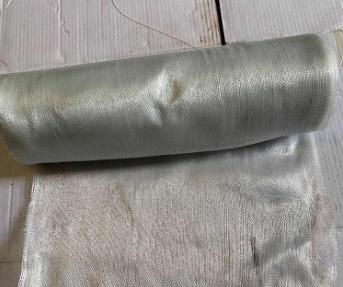
Hey there! As a supplier of Fiber Mixed Woven Fabric, I often get asked about the tear strength of our products. It's a crucial property that can significantly impact the performance and durability of these fabrics. So, let's dive into what tear strength really means and how it affects Fiber Mixed Woven Fabric.
What is Tear Strength?
Tear strength refers to the ability of a fabric to resist the growth of an existing tear. In simple terms, it's how well the fabric holds up when a rip or tear starts to form. This is different from tensile strength, which measures the maximum amount of force a fabric can withstand while being pulled apart from its ends.
Imagine you're wearing a pair of jeans. If you snag them on a nail, the tear strength of the denim will determine whether the tear stops right where it starts or keeps getting bigger as you move around. A fabric with high tear strength will contain the damage, while a low - tear - strength fabric might end up with a large, gaping hole.
Factors Affecting Tear Strength in Fiber Mixed Woven Fabric
Fiber Type
The types of fibers used in the fabric play a huge role in determining tear strength. Different fibers have different inherent properties. For example, natural fibers like cotton are relatively soft and have moderate tear strength. On the other hand, synthetic fibers such as polyester and nylon are known for their high strength and excellent tear resistance.
In our Fiber Mixed Woven Fabric, we often blend different fibers to get the best of both worlds. For instance, a blend of cotton and polyester can combine the softness and breathability of cotton with the durability and tear resistance of polyester.
Weave Structure
The way the fibers are woven together also affects tear strength. There are several common weave structures, such as plain weave, twill weave, and satin weave.
A plain weave, where the warp and weft threads cross each other in a simple over - and - under pattern, is relatively tight and can offer good tear resistance. Twill weaves, which have a diagonal pattern, are often more flexible and can also have decent tear strength. Satin weaves, with their smooth surface, may have slightly lower tear strength compared to plain and twill weaves because the long floats of yarn can be more easily pulled apart.
Fiber Orientation
The orientation of the fibers within the fabric matters. When the fibers are aligned in a more organized way, the fabric tends to have better tear strength. In some cases, we can control the fiber orientation during the manufacturing process to enhance the performance of the fabric.
Measuring Tear Strength
There are several standardized methods to measure the tear strength of fabrics. One common method is the Elmendorf tear test. In this test, a fabric sample is clamped in a special device, and a pendulum is used to create a tear in the fabric. The energy required to tear the fabric is then measured, and this value is used to represent the tear strength.
Another method is the tongue tear test. Here, a fabric sample is cut with a small notch, and the fabric is pulled from both sides of the notch. The force needed to propagate the tear is measured to determine the tear strength.
Importance of Tear Strength in Different Applications
Industrial Use
In industrial settings, fiber mixed woven fabrics are used in a wide range of applications. For example, Basalt Fiber High - temperature Filter Bag needs to have high tear strength. These bags are used in environments with high temperatures and harsh conditions, and if the fabric tears easily, it can lead to system failures and costly downtime.
Automotive Industry
In the automotive industry, fabrics are used for seats, headliners, and other interior components. A high - tear - strength fabric can ensure that these components last longer and maintain their appearance even with regular use. You wouldn't want your car seat to start tearing apart after just a few months, right?
Packaging
Fabrics can also be used for packaging applications. Basalt Fiber Biobag is a prime example. These bags need to be strong enough to hold their contents without tearing during handling and transportation.

Home Textiles
In our homes, we use fiber mixed woven fabrics for curtains, upholstery, and bedding. High tear strength in these fabrics means they can withstand regular use, cleaning, and even the occasional tug from pets or children.
Our Fiber Mixed Woven Fabric and Tear Strength
At our company, we take tear strength very seriously. We carefully select the fibers and optimize the weave structure to ensure that our fabrics have the best possible tear resistance. Our Basalt Fiber Needle Punched Felt is a great example of a product with excellent tear strength. It's made with high - quality basalt fibers and a specialized needle - punching process that aligns the fibers for maximum durability.
Contact Us for Your Fiber Mixed Woven Fabric Needs
If you're in the market for high - quality Fiber Mixed Woven Fabric with great tear strength, we're here to help. Whether you need fabrics for industrial use, automotive applications, packaging, or home textiles, we have a wide range of products to meet your requirements.
We understand that every customer has unique needs, and we're happy to work with you to find the perfect fabric for your project. Feel free to reach out to us to discuss your specific needs and get a quote. We're committed to providing the best products and excellent customer service.
References
- ASTM International. (2023). Standard Test Method for Tearing Strength of Fabrics by the Elmendorf Tear Method. ASTM D1424 - 22.
- Textile Institute. (2022). Handbook of Textile Technology: Fabric Technology. Woodhead Publishing.