

As a supplier of Basalt Fiber Biobags, I often get asked about the shelf - life of these innovative products. Understanding the shelf - life is crucial for both suppliers and customers, as it directly impacts product quality, storage, and usage. In this blog, I'll delve into the factors that influence the shelf - life of Basalt Fiber Biobags and provide some insights based on scientific knowledge and our practical experience.
What is Basalt Fiber Biobag?
Before discussing the shelf - life, let's briefly introduce Basalt Fiber Biobags. Basalt Fiber Biobags are made from basalt fiber, a material derived from volcanic rock. These bags are known for their excellent mechanical properties, such as high tensile strength and good chemical resistance. They are also environmentally friendly, as basalt is a natural and abundant resource. You can find more information about Basalt Fiber Biobags on our website: Basalt Fiber Biobag.
Factors Affecting the Shelf - Life of Basalt Fiber Biobags
1. Storage Conditions
The way Basalt Fiber Biobags are stored plays a significant role in determining their shelf - life. Temperature, humidity, and exposure to light are the primary environmental factors to consider.
- Temperature: Extreme temperatures can have a negative impact on basalt fiber. High temperatures may cause the fiber to lose its strength over time. For example, if the bags are stored in an environment where the temperature regularly exceeds 60°C, the internal structure of the basalt fiber may start to change, leading to a reduction in mechanical properties. On the other hand, very low temperatures can make the fiber more brittle. The ideal storage temperature for Basalt Fiber Biobags is between 10°C and 30°C.
- Humidity: High humidity can lead to moisture absorption by the basalt fiber. Moisture can cause corrosion and degradation of the fiber, especially if there are any impurities present. A relative humidity level of less than 60% is recommended for long - term storage. If the bags are stored in a damp environment, such as a basement without proper ventilation, the risk of damage increases significantly.
- Light Exposure: Prolonged exposure to sunlight, especially ultraviolet (UV) light, can cause the basalt fiber to degrade. UV rays can break down the chemical bonds in the fiber, leading to a loss of strength and color fading. Therefore, it is advisable to store Basalt Fiber Biobags in a dark or shaded area.
2. Material Quality
The quality of the basalt fiber used in the production of the biobags is another critical factor. High - quality basalt fiber, which is produced using advanced manufacturing processes, generally has a longer shelf - life. Our company uses high - purity basalt rock and state - of - the - art production techniques to ensure the quality of our Basalt Fiber Biobags. The manufacturing process also includes proper treatment of the fiber to enhance its resistance to environmental factors. For instance, we apply special coatings to the fiber to protect it from UV light and moisture.
3. Packaging
The packaging of Basalt Fiber Biobags can also affect their shelf - life. A good packaging design can provide an additional layer of protection against environmental factors. Our Basalt Fiber Biobags are usually packed in sealed plastic bags or containers to prevent moisture and dust from entering. This helps to maintain the quality of the bags during storage and transportation.

Typical Shelf - Life of Basalt Fiber Biobags
Under optimal storage conditions (temperature between 10°C and 30°C, relative humidity less than 60%, and minimal light exposure), Basalt Fiber Biobags can have a shelf - life of up to 5 years. However, if the storage conditions are not ideal, the shelf - life may be significantly reduced. For example, if the bags are stored in a hot and humid environment, the shelf - life may be reduced to 1 - 2 years.
It's important to note that the shelf - life is also related to the intended use of the bags. If the bags are used in a less demanding application, such as storing dry goods, they may still be usable even after the recommended shelf - life has passed. However, for applications that require high - strength and high - performance materials, it is advisable to use the bags within the recommended shelf - life.
Comparison with Other Basalt Fiber Products
We also offer other basalt fiber products, such as Basalt Fiber Needle Punched Felt and Basalt Geogrid. The shelf - life of these products is also influenced by similar factors. However, due to their different structures and applications, their shelf - lives may vary slightly.
- Basalt Fiber Needle Punched Felt: This product has a relatively high surface area, which means it is more exposed to environmental factors. Therefore, its shelf - life may be slightly shorter than that of Basalt Fiber Biobags under the same storage conditions. However, with proper storage, it can still have a shelf - life of 3 - 4 years.
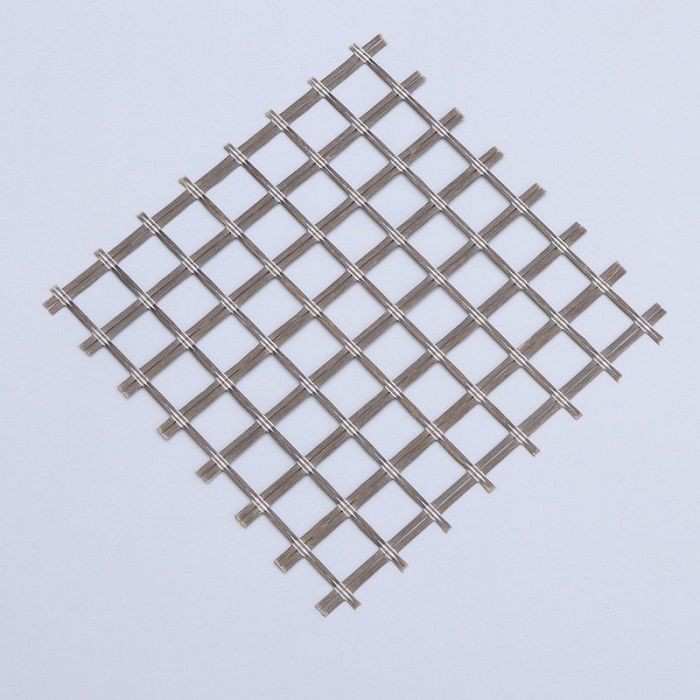
- Basalt Geogrid: Basalt Geogrid is often used in civil engineering applications, where it is exposed to more severe environmental conditions. Although it is designed to be durable, its shelf - life may be affected by factors such as soil moisture and chemical exposure. Under normal storage conditions, the shelf - life of Basalt Geogrid is about 4 - 5 years.
Monitoring the Shelf - Life
To ensure the quality of our Basalt Fiber Biobags, we recommend regular inspections during storage. This can include visual inspections for signs of damage, such as discoloration, fraying, or moisture stains. We also suggest conducting periodic strength tests to check if the mechanical properties of the bags have changed over time. If any signs of degradation are detected, it may be necessary to use the bags as soon as possible or take appropriate measures to extend their shelf - life, such as improving the storage conditions.
Conclusion
In conclusion, the shelf - life of Basalt Fiber Biobags is influenced by multiple factors, including storage conditions, material quality, and packaging. By following the recommended storage guidelines, customers can maximize the shelf - life of these products and ensure their optimal performance. As a supplier, we are committed to providing high - quality Basalt Fiber Biobags and offering professional advice on storage and usage.
If you are interested in purchasing Basalt Fiber Biobags or other basalt fiber products, please feel free to contact us for more information and to start a procurement discussion. We look forward to serving you and meeting your specific requirements.
References
- "Handbook of Basalt Fiber - Reinforced Composites", edited by V. M. Karbhari and S. K. Ghosh.
- Research papers on the environmental durability of basalt fiber materials published in international journals such as "Composites Science and Technology".