

Abrasion resistance is a crucial property for many textile materials, and basalt fiber twill fabric is no exception. As a supplier of basalt fiber twill fabric, I've witnessed firsthand the growing demand for materials that can withstand wear and tear in various applications. In this blog post, I'll delve into what abrasion resistance means for basalt fiber twill fabric, how it's measured, the factors that influence it, and its significance in different industries.
Understanding Abrasion Resistance
Abrasion resistance refers to a material's ability to resist damage caused by rubbing, scraping, or friction against another surface. When it comes to basalt fiber twill fabric, this property determines how well the fabric can maintain its integrity and performance over time in environments where it's exposed to mechanical stress.
Basalt fiber, derived from volcanic rock, is known for its high strength and durability. The twill weave pattern, characterized by a diagonal ribbed appearance, further enhances the fabric's stability and resistance to abrasion. This combination makes basalt fiber twill fabric an excellent choice for applications that require long - lasting and tough materials.
Measuring Abrasion Resistance
There are several standardized methods for measuring the abrasion resistance of fabrics, such as the Martindale abrasion test and the Taber abrasion test.
The Martindale abrasion test involves rubbing the fabric sample against a standard abrasive material under a specified load. The test continues until a certain level of damage is observed, such as a specified number of yarn breakages or a reduction in fabric weight. The number of cycles the fabric can withstand before reaching this point is an indication of its abrasion resistance.

The Taber abrasion test, on the other hand, uses a rotating platform with abrasive wheels to rub against the fabric sample. The amount of material lost during the test is measured, and the lower the weight loss, the better the abrasion resistance of the fabric.
For basalt fiber twill fabric, these tests have shown impressive results. Due to the inherent strength of basalt fibers and the structure of the twill weave, the fabric can endure a large number of abrasion cycles with minimal damage.
Factors Influencing Abrasion Resistance of Basalt Fiber Twill Fabric
Fiber Quality
The quality of the basalt fibers used in the fabric is a primary factor. High - quality basalt fibers have a more uniform structure and fewer defects, which contribute to better abrasion resistance. Our company sources basalt fibers from the best mines and processes them using advanced techniques to ensure the highest fiber quality.
Weave Density
The density of the twill weave also affects abrasion resistance. A higher weave density means more fibers are packed closely together, providing better protection against abrasion. Our basalt fiber twill fabric is engineered with an optimal weave density to maximize its abrasion - resistant properties.
Surface Treatment
Surface treatments can further enhance the abrasion resistance of basalt fiber twill fabric. For example, applying a special coating can create a protective layer on the fabric surface, reducing the direct contact between the fibers and the abrasive material. We offer various surface treatment options for our customers based on their specific requirements.
Significance in Different Industries
Industrial Applications
In industrial settings, basalt fiber twill fabric is used in conveyor belts, gaskets, and protective clothing. Conveyor belts need to withstand continuous friction against the conveyor system and the materials being transported. Our basalt fiber twill fabric - based conveyor belts have proven to have a longer service life compared to traditional materials, reducing maintenance costs and downtime.
Gaskets made from basalt fiber twill fabric can resist abrasion from the movement of mechanical parts and exposure to harsh chemicals, ensuring a tight seal and preventing leaks. Protective clothing for industrial workers is also crucial, as it needs to protect them from sharp objects, rough surfaces, and heat. The abrasion - resistant nature of our basalt fiber twill fabric provides reliable protection in such environments.
Automotive Industry
In the automotive industry, basalt fiber twill fabric can be used in interior trim, seat covers, and under - hood components. Interior trim parts are often subject to abrasion from passengers' clothing and movement. Our fabric can maintain its appearance and integrity over time, providing a high - quality look and feel. Seat covers made from basalt fiber twill fabric are not only comfortable but also resistant to wear and tear, ensuring long - lasting use.
Under - hood components need to withstand high temperatures and mechanical stress. Basalt fiber twill fabric's abrasion resistance, combined with its heat - resistant properties, makes it an ideal material for applications such as insulation and protection of engine parts.
Construction Industry
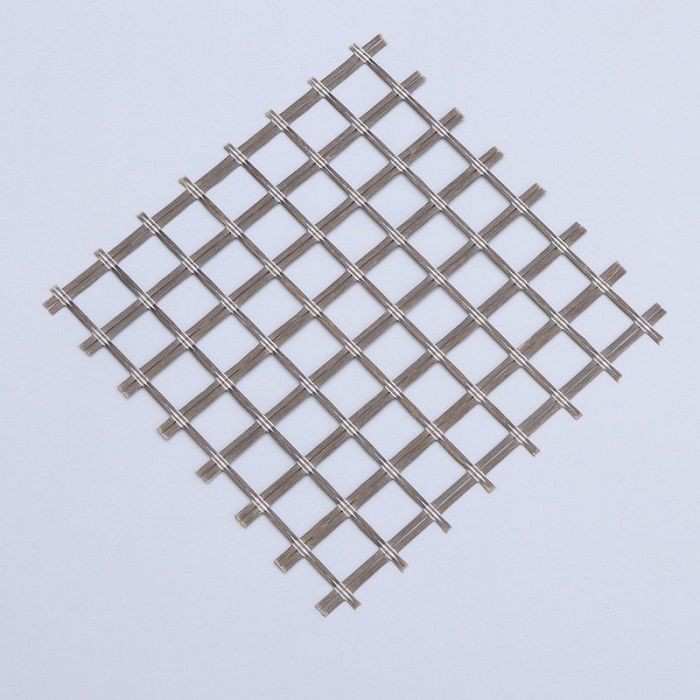
In construction, basalt fiber twill fabric is used in reinforcement applications. For example, Basalt Geogrid made from basalt fiber twill fabric can be used to reinforce soil and prevent erosion. The fabric's abrasion resistance ensures that it can withstand the forces exerted by the soil and construction equipment during installation and long - term use.
It can also be used in the production of Basalt Fiber Biobag and Basalt Fiber High - temperature Filter Bag. These bags need to resist abrasion from the movement of particles and the cleaning process, and our basalt fiber twill fabric provides the necessary durability.
Conclusion
The abrasion resistance of basalt fiber twill fabric is a remarkable property that makes it a valuable material in a wide range of industries. Its ability to withstand wear and tear, combined with other beneficial properties such as high strength, heat resistance, and chemical resistance, makes it a top choice for many applications.
As a supplier of basalt fiber twill fabric, we are committed to providing the highest - quality products that meet and exceed our customers' expectations. Whether you're in the industrial, automotive, or construction industry, our basalt fiber twill fabric can offer the abrasion resistance and performance you need.
If you're interested in learning more about our basalt fiber twill fabric or have specific requirements for your project, please don't hesitate to contact us. We're here to discuss your needs and provide you with the best solutions.
References
- ASTM D4966 - 18, Standard Test Method for Abrasion Resistance of Textile Fabrics (Martindale Abrasion Tester Method).
- ASTM D1175 - 95(2019), Standard Test Method for Abrasion Resistance of Textile Fabrics (Taber Abraser Method).
- Technical reports on basalt fiber properties and applications from industry research institutions.