

As a supplier of Basalt Fiber Biobag, I am often asked about the weathering properties of this innovative product. In this blog, I will delve into the details of how Basalt Fiber Biobag withstands various weather conditions, providing you with a comprehensive understanding of its performance and suitability for different applications.
Understanding Basalt Fiber Biobag
Basalt Fiber Biobag is a revolutionary product that combines the strength and durability of basalt fiber with the environmental benefits of biodegradable materials. The basalt fiber, derived from volcanic rock, is known for its high tensile strength, chemical resistance, and thermal stability. When incorporated into a biodegradable bag, it creates a product that is not only strong and reliable but also environmentally friendly.
You can learn more about our Basalt Fiber Biobag on our website: Basalt Fiber Biobag.
Weathering Resistance of Basalt Fiber Biobag
UV Resistance
One of the most significant challenges for outdoor products is the damage caused by ultraviolet (UV) radiation. UV rays can break down the chemical bonds in materials, leading to degradation, discoloration, and loss of strength. Basalt fiber has excellent UV resistance due to its chemical composition and structure. The basalt rock contains a variety of minerals that act as natural UV absorbers, protecting the fiber from the harmful effects of sunlight.
In the case of Basalt Fiber Biobag, the UV resistance of the basalt fiber ensures that the bag maintains its integrity and strength even after prolonged exposure to sunlight. This makes it suitable for applications such as agricultural mulching, where the bags are exposed to the sun for extended periods. The UV resistance also helps to prevent the bag from becoming brittle and breaking, ensuring that it can effectively contain and protect its contents.
Temperature Resistance
Basalt fiber has a wide range of temperature resistance, making it suitable for use in various climates. It can withstand high temperatures without melting or deforming, and it also retains its strength at low temperatures. This temperature resistance is crucial for Basalt Fiber Biobag, as it allows the bag to be used in both hot and cold environments.
In hot climates, the high-temperature resistance of the basalt fiber prevents the bag from softening or losing its shape. This ensures that the bag can maintain its structural integrity and continue to perform its function effectively. In cold climates, the low-temperature resistance of the basalt fiber prevents the bag from becoming brittle and cracking. This is especially important for applications such as soil erosion control, where the bags are exposed to freezing temperatures.
Moisture Resistance
Moisture can also have a significant impact on the performance of materials. It can cause swelling, rotting, and the growth of mold and mildew. Basalt fiber is naturally hydrophobic, meaning it repels water. This moisture resistance is beneficial for Basalt Fiber Biobag, as it helps to keep the contents of the bag dry and protected.
In addition, the moisture resistance of the basalt fiber prevents the bag from becoming waterlogged, which can lead to a loss of strength and stability. This makes Basalt Fiber Biobag suitable for applications such as flood control and water management, where the bags may be exposed to water for extended periods.

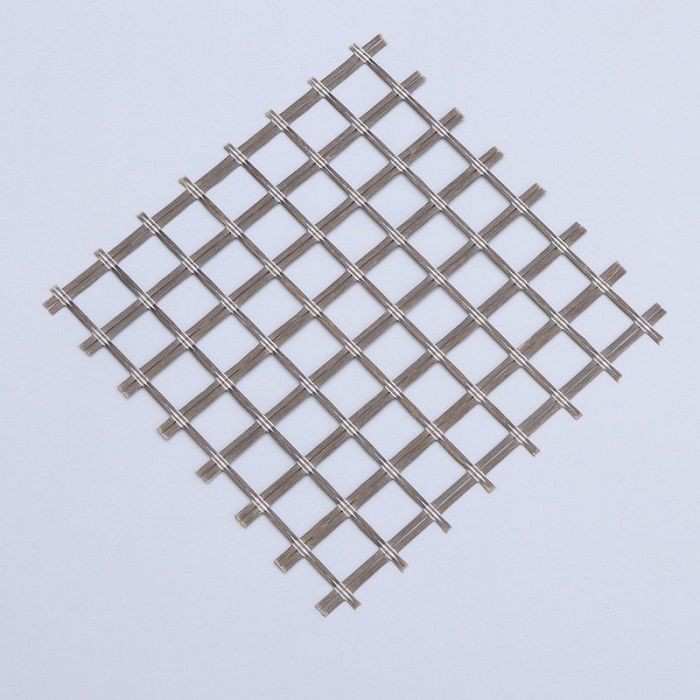
Chemical Resistance
Basalt fiber is resistant to a wide range of chemicals, including acids, alkalis, and salts. This chemical resistance is due to the inert nature of the basalt rock and the stable chemical bonds in the fiber. In the case of Basalt Fiber Biobag, the chemical resistance ensures that the bag can withstand exposure to various chemicals without being damaged.
This chemical resistance is particularly important for applications such as industrial waste management, where the bags may come into contact with hazardous chemicals. The Basalt Fiber Biobag can effectively contain and isolate these chemicals, preventing them from leaking into the environment. It also makes the bag suitable for use in agricultural applications, where it may be exposed to fertilizers and pesticides.
Comparison with Other Materials
To better understand the weathering properties of Basalt Fiber Biobag, it is useful to compare it with other commonly used materials.
Plastic Bags
Plastic bags are widely used due to their low cost and convenience. However, they have several disadvantages when it comes to weathering. Plastic is highly susceptible to UV damage, and it can break down quickly when exposed to sunlight. It also has poor temperature resistance, becoming soft and sticky in hot weather and brittle in cold weather. In addition, plastic is not biodegradable, which means it can accumulate in the environment and cause pollution.
In contrast, Basalt Fiber Biobag offers superior weathering properties. It has excellent UV, temperature, moisture, and chemical resistance, making it more durable and reliable than plastic bags. It is also biodegradable, which means it can break down naturally in the environment, reducing its impact on the planet.
Natural Fiber Bags
Natural fiber bags, such as jute and cotton bags, are also biodegradable and environmentally friendly. However, they have limited weathering resistance. Natural fibers are susceptible to damage from UV radiation, moisture, and pests. They can also rot and decompose quickly, especially in wet conditions.
Basalt Fiber Biobag, on the other hand, combines the environmental benefits of natural fiber bags with the superior weathering resistance of basalt fiber. It can withstand the elements better than natural fiber bags, making it a more suitable choice for outdoor applications.
Applications of Basalt Fiber Biobag
The excellent weathering properties of Basalt Fiber Biobag make it suitable for a wide range of applications. Some of the common applications include:
Agricultural Mulching
In agriculture, Basalt Fiber Biobag can be used as a mulching material. The bags can be placed on the soil surface to prevent weed growth, retain moisture, and regulate soil temperature. The UV resistance and temperature resistance of the basalt fiber ensure that the bags can effectively perform these functions even in harsh weather conditions.
Soil Erosion Control
Basalt Fiber Biobag is also used for soil erosion control. The bags can be filled with soil or other materials and placed on slopes or along riverbanks to prevent soil from being washed away. The strength and durability of the basalt fiber ensure that the bags can withstand the force of water and wind, providing long-term erosion control.
Flood Control
During floods, Basalt Fiber Biobag can be used to build barriers and levees. The bags can be filled with sand or other materials and stacked to create a barrier that can hold back water. The moisture resistance and chemical resistance of the basalt fiber ensure that the bags can remain intact and effective even when submerged in water.
Industrial Waste Management
In industrial waste management, Basalt Fiber Biobag can be used to contain and transport hazardous waste. The chemical resistance of the basalt fiber ensures that the bags can safely hold various chemicals without being damaged. The durability of the bags also ensures that they can withstand the handling and transportation process.
Conclusion
In conclusion, Basalt Fiber Biobag offers excellent weathering properties, including UV resistance, temperature resistance, moisture resistance, and chemical resistance. These properties make it a durable and reliable choice for a wide range of outdoor applications. Compared to other materials such as plastic bags and natural fiber bags, Basalt Fiber Biobag provides superior performance and environmental benefits.
If you are interested in learning more about Basalt Fiber Biobag or would like to discuss your specific requirements, please feel free to contact us. We are a leading supplier of Basalt Fiber Biobag and can provide you with high-quality products and professional solutions.
References
- "Basalt Fiber: A Sustainable and High-Performance Material" - Journal of Materials Science
- "Weathering Resistance of Basalt Fiber Reinforced Composites" - Composite Structures
- "Applications of Basalt Fiber in Civil Engineering" - Construction and Building Materials