

Artificial reefs have emerged as a vital tool in marine conservation and fisheries management. These man - made structures mimic natural reefs, providing habitats for marine life, enhancing biodiversity, and promoting sustainable fishing. In the construction of artificial reefs, the choice of materials is crucial. One material that has shown great promise is Basalt Geogrid. As a Basalt Geogrid supplier, I am excited to share the numerous advantages of using this innovative product in artificial reef projects.
1. High Strength and Durability
Basalt Geogrid is renowned for its exceptional strength. Made from basalt fiber, a material derived from volcanic rock, it has high tensile strength. This strength allows the geogrid to withstand the harsh marine environment, including strong ocean currents, wave forces, and the impact of marine organisms.
In artificial reef construction, the geogrid can be used as a reinforcement material. For instance, when combined with concrete or other structural elements, it can significantly enhance the overall structural integrity of the reef. This means that the artificial reef can remain stable over long periods, providing a reliable habitat for marine species. Unlike some traditional materials that may degrade or corrode over time, Basalt Geogrid Basalt Geogrid maintains its strength, ensuring the long - term success of the reef project.
2. Chemical Resistance
The marine environment is a chemically complex place. Saltwater, various acids, and other chemicals can cause significant damage to many materials. Basalt Geogrid, however, has excellent chemical resistance. It is resistant to corrosion from saltwater, which is a major advantage in an ocean setting.
This chemical resistance ensures that the geogrid does not break down or release harmful substances into the water. It can maintain its physical and mechanical properties even when exposed to the corrosive effects of the marine environment for extended periods. This is not only beneficial for the longevity of the artificial reef but also for the health of the marine ecosystem. Since it does not leach harmful chemicals, it does not pose a threat to the marine life that inhabits the reef.
3. Promotes Marine Growth
Basalt Geogrid provides an ideal surface for marine organisms to attach and grow. Its open - grid structure offers a large surface area for the settlement of various marine species, such as barnacles, mussels, and algae. These initial colonizers play a crucial role in the development of the artificial reef ecosystem.
Algae, for example, are primary producers in the marine food chain. They provide food and oxygen for other marine organisms. As more algae grow on the geogrid, it attracts small invertebrates, which in turn attract larger fish and other predators. This creates a complex and diverse food web within the artificial reef. The geogrid essentially acts as a foundation for the establishment of a thriving marine community, accelerating the ecological succession process of the artificial reef.

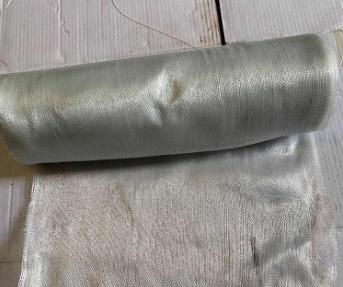
4. Cost - Effectiveness
When considering large - scale artificial reef projects, cost is an important factor. Basalt Geogrid offers a cost - effective solution. Compared to some high - end materials used in marine construction, the production cost of basalt fiber and the subsequent manufacturing of geogrid are relatively low.
Moreover, its long - term durability means that there are fewer replacement and maintenance costs over the life of the artificial reef. The reduced need for frequent repairs or replacements not only saves money but also minimizes the disruption to the marine ecosystem. This makes Basalt Geogrid an economically viable choice for both government - funded conservation projects and private initiatives.
5. Environmental Friendliness
In today's world, environmental sustainability is of utmost importance. Basalt Geogrid is an environmentally friendly material. Basalt fiber is a natural and renewable resource, as it is derived from volcanic rock. Its production process also has a relatively low carbon footprint compared to some synthetic materials.
When used in artificial reefs, it helps to promote the restoration and conservation of the marine environment. By providing a habitat for marine life, it contributes to the protection of endangered species and the overall health of the ocean ecosystem. Additionally, as mentioned earlier, its non - toxic nature ensures that it does not harm the marine environment, making it a responsible choice for eco - conscious projects.
6. Easy Installation
Basalt Geogrid is relatively easy to install in artificial reef construction. Its flexible nature allows it to be easily shaped and adjusted to fit different reef designs. Whether it is being used in a simple reef structure or a more complex, multi - layered design, the geogrid can be quickly and efficiently installed.
This ease of installation reduces the time and labor required for the construction of the artificial reef. It also means that there is less disruption to the surrounding marine environment during the installation process. Workers can handle the geogrid with relative ease, and the installation can be completed with minimal equipment, making it a practical choice for reef projects in various locations.
7. Compatibility with Other Materials
Basalt Geogrid can be easily combined with other materials commonly used in artificial reef construction. It can be used in conjunction with concrete, steel, and other polymers. This compatibility allows for the creation of hybrid structures that take advantage of the unique properties of each material.
For example, when combined with concrete, the geogrid can reinforce the concrete structure, increasing its strength and durability. When used with steel, it can provide additional corrosion protection. This versatility in material combination gives designers and engineers more flexibility in creating artificial reefs that meet specific project requirements.
8. Customizability
As a Basalt Geogrid supplier, I understand the importance of customizability in different projects. Basalt Geogrid can be customized in terms of size, mesh aperture, and tensile strength. This means that it can be tailored to the specific needs of an artificial reef project.
For projects in areas with strong ocean currents, a geogrid with higher tensile strength can be provided. For reefs designed to attract specific types of marine organisms, the mesh aperture can be adjusted to facilitate their attachment and growth. This customizability ensures that the artificial reef can be optimized for its intended purpose, whether it is for fish habitat enhancement, shoreline protection, or scientific research.
Conclusion
The advantages of using Basalt Geogrid in artificial reefs are numerous and significant. From its high strength and durability to its environmental friendliness and customizability, it offers a comprehensive solution for the construction of effective and sustainable artificial reefs. As a Basalt Geogrid supplier, I am committed to providing high - quality products that can contribute to the success of marine conservation and fisheries management projects.
If you are involved in an artificial reef project or are considering using Basalt Geogrid for other marine applications, I encourage you to reach out for more information. We can discuss your specific needs and provide you with the best - suited Basalt Geogrid products. In addition to Basalt Geogrid, we also offer other basalt - fiber products such as Basalt Fiber High - temperature Filter Bag and Basalt Fiber Biobag that may be useful in related industries. Let's work together to create a healthier and more sustainable marine environment.
References
- "Basalt Fiber: A Sustainable and High - Performance Material for Civil Engineering Applications" - Journal of Civil Engineering and Management
- "The Role of Artificial Reefs in Marine Conservation and Fisheries Management" - Marine Ecology Progress Series
- "Advances in Geogrid Technology for Coastal and Marine Structures" - Coastal Engineering Journal